Hi All,
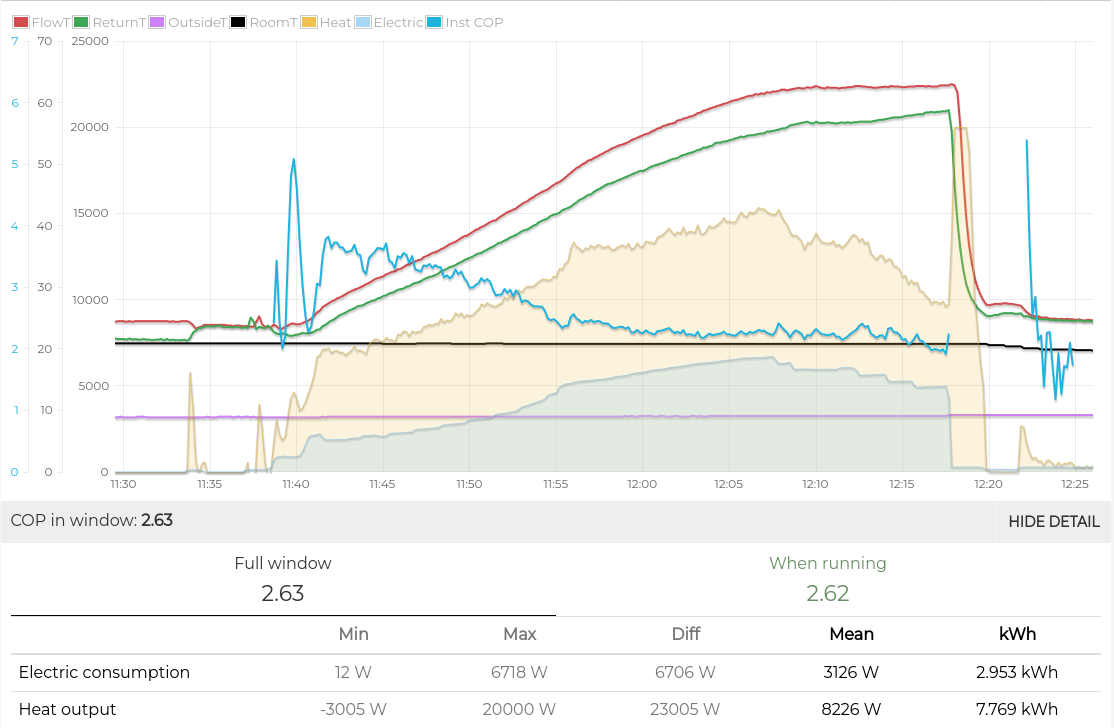
I don’t think my heat pump is performing very well. It was installed by a Heat Geek (Elite, no less) and I have their engineer on site in a couple of weeks. So my goal is to get clued up and know what to ask about.
I have an LG Therma V 12KW unit, installed last spring. The house is reasonably insulated. The heating system is underfloor - in screed downstairs and polystyrene panels beneath floorboards upstairs. The underfloor was pre-existing, so the ASHP installation is as follows:
- The outdoor unit is about 12m from the tanks in the loft.
- There is a 50L 4 port buffer tank first, in the loft.
- I removed the zone valve/mixer/pump on each of the upstairs and downstairs manifolds and instead placed a single pump on the consumer side of the buffer. This helped.
- The underfloor system is zoned, with thermostats in each room, as it has been for the last 12 years. The goal is about 20C downstairs and 17 in the bedrooms.
- There is no useful room temp input to the ASHP. The control panel is not in a very representative location.
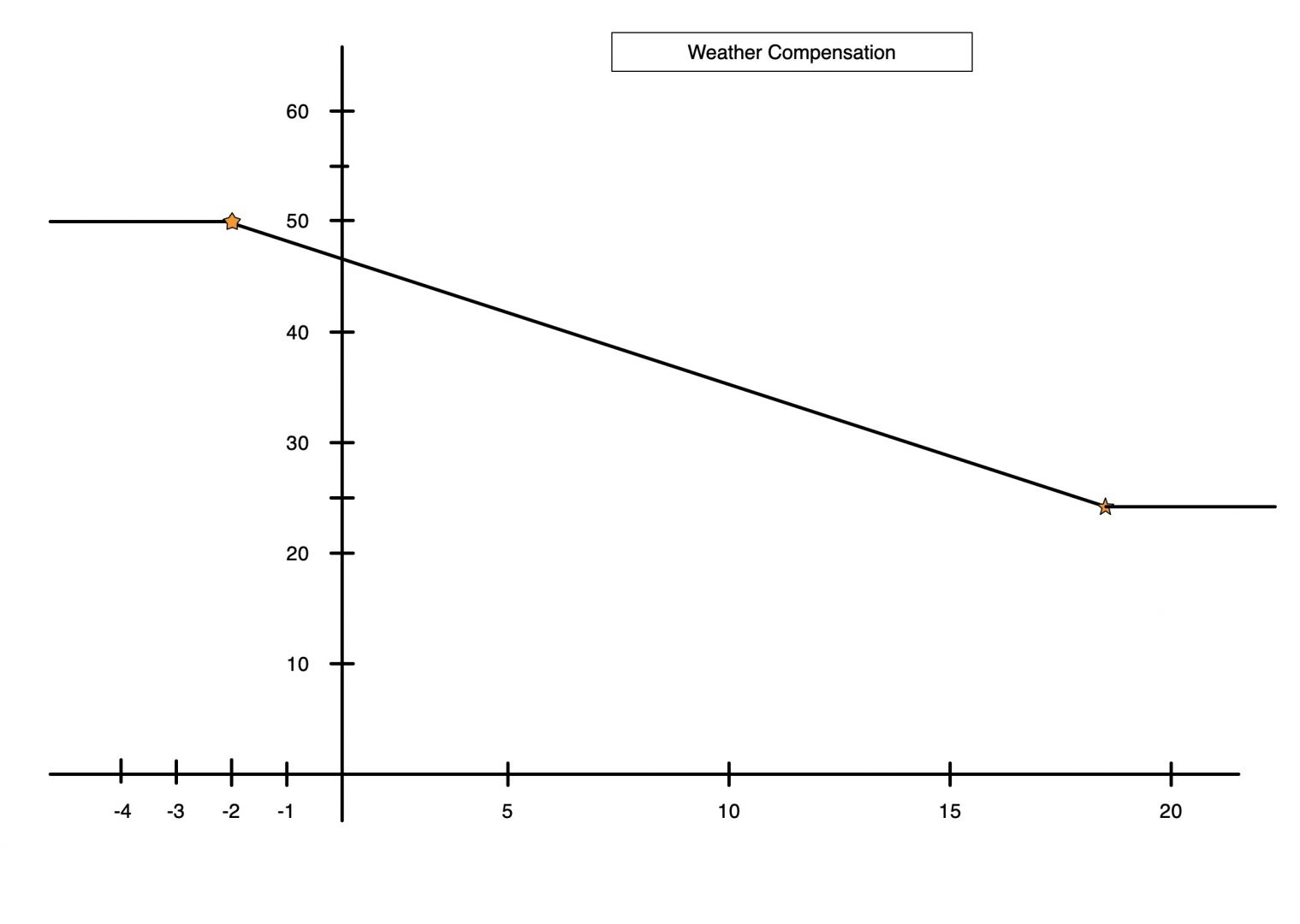
I’m not currently using LG’s “AI” setting (the quotes are sarcastic). It seems to just jack the flow temperature up to 45 degrees. Instead I’ve been monitoring and tweaking. Maybe it needs adjusting.
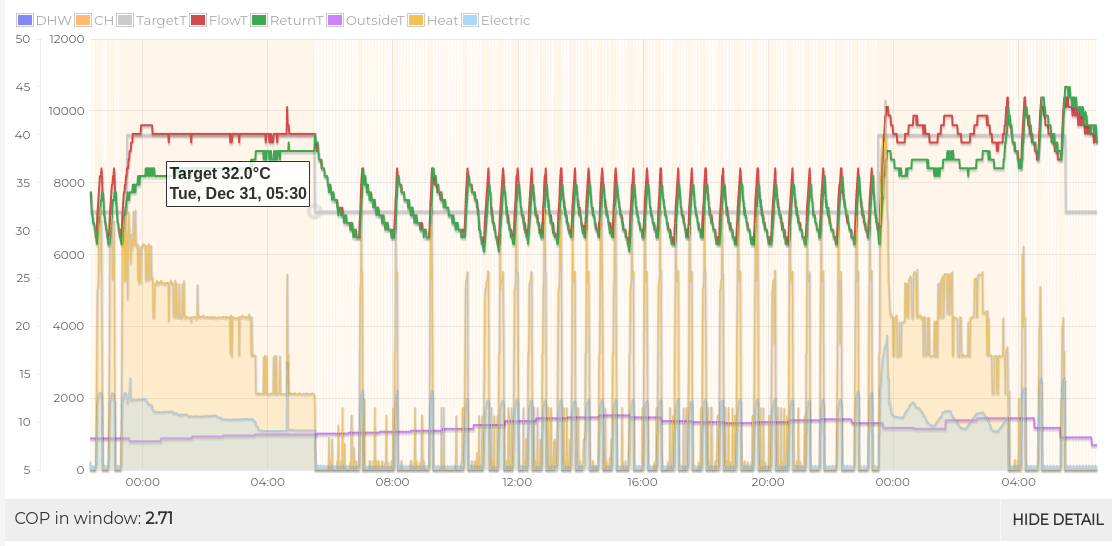
However, I am on an Octopus EV tariff, which means I get cheap electricity at night. So I run an overnight “set forward” where the downstairs is +3 degrees and the heatpump flow is set to 40. This banks some cheap heat in the thermal mass of the floor. Depending on the weather, this can mean that the ASHP doesn’t run for maybe 5-6 hours until mid morning. DHW heating and weekly disinfect cycles are also confined to the overnight period.
Data collection into emoncms is a Shelly clamp for the power and a Modbus adapter on the heat pump for everything else.
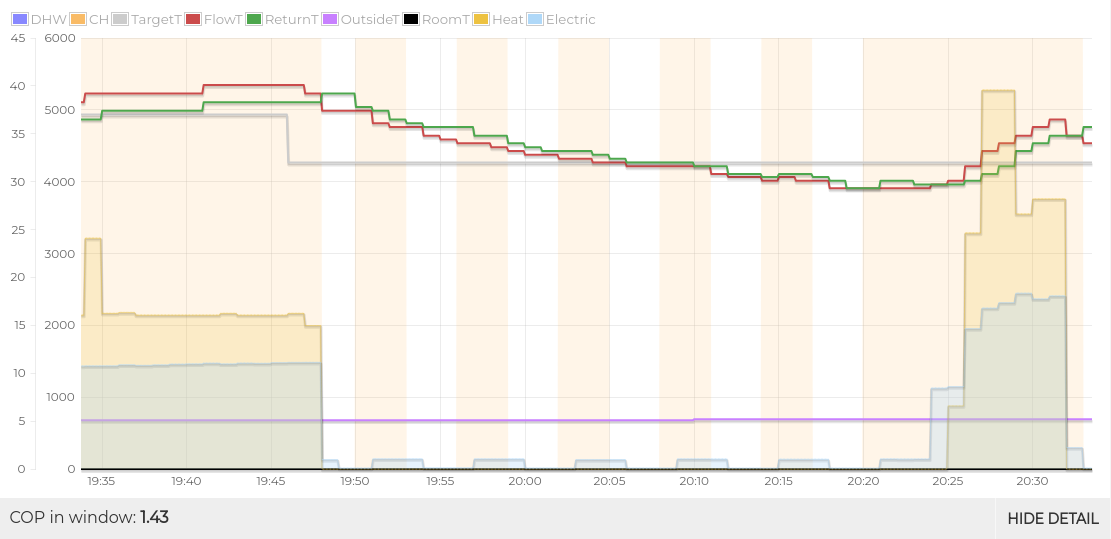
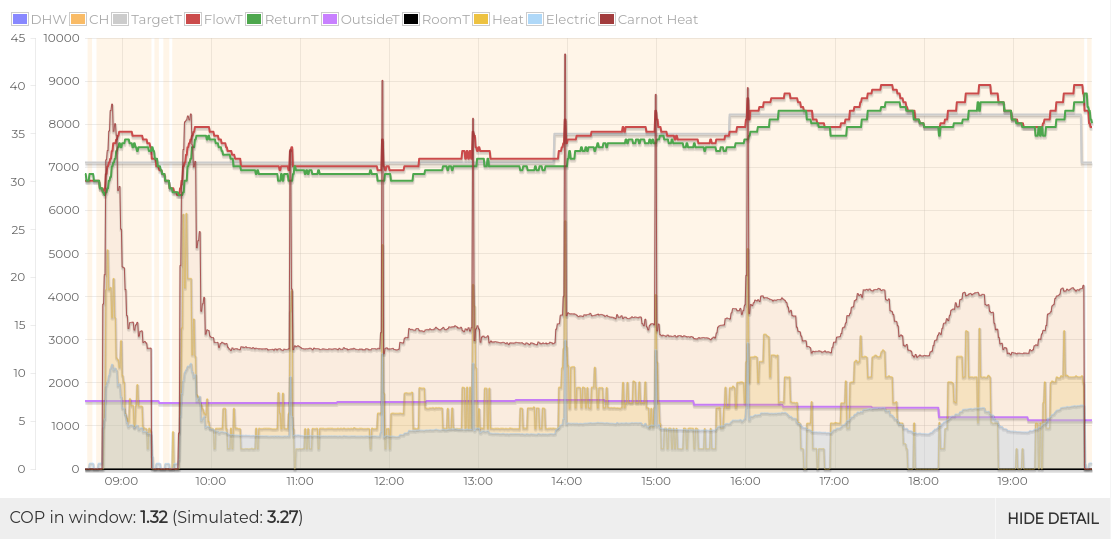
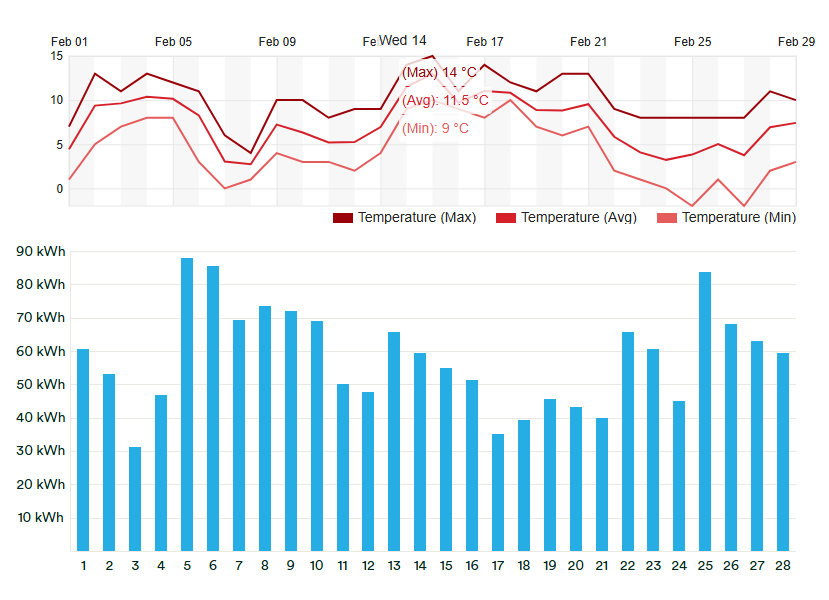
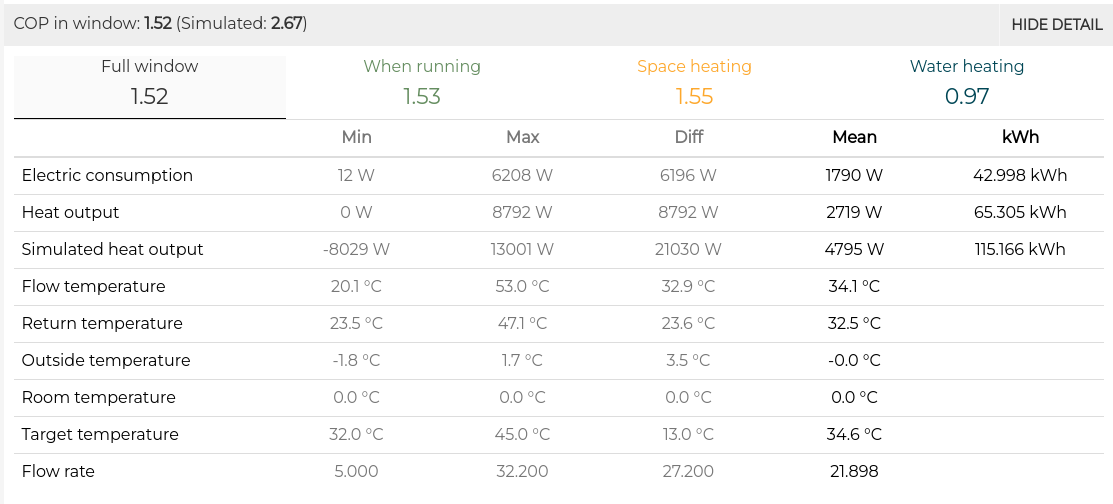
The data is here
Don’t fret, this is not my live system. It’s a sandboxed copy which is overwritten from the live system every 10 minutes. Ignore the SCOP section - there’s no kWh data there for now. Oh, and the graphed Room Temp (black line) is showing as zero. That seems to be just a Modbus issue and will come back if I reboot the heat pump. Assume it’s “20” in reality.
I’d welcome any insights from experience.
Thanks
Miles