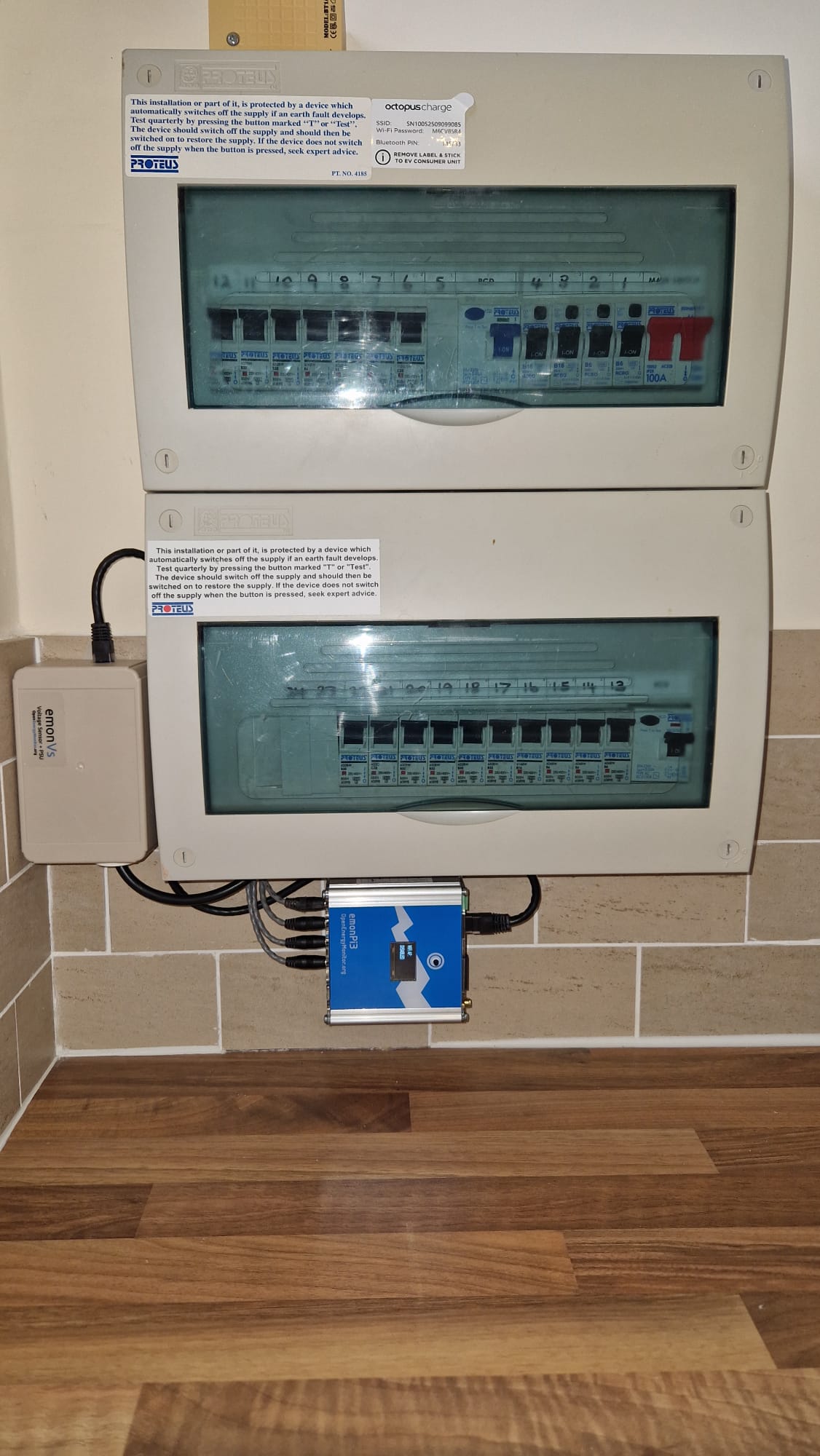
Nice work! That’s very tidy installation 
My installation is such a huge mess… I’ll have to do something 
But it’s also much more complex… have somehow 3 to 4 times the amount of circuit breakers and other stuff 

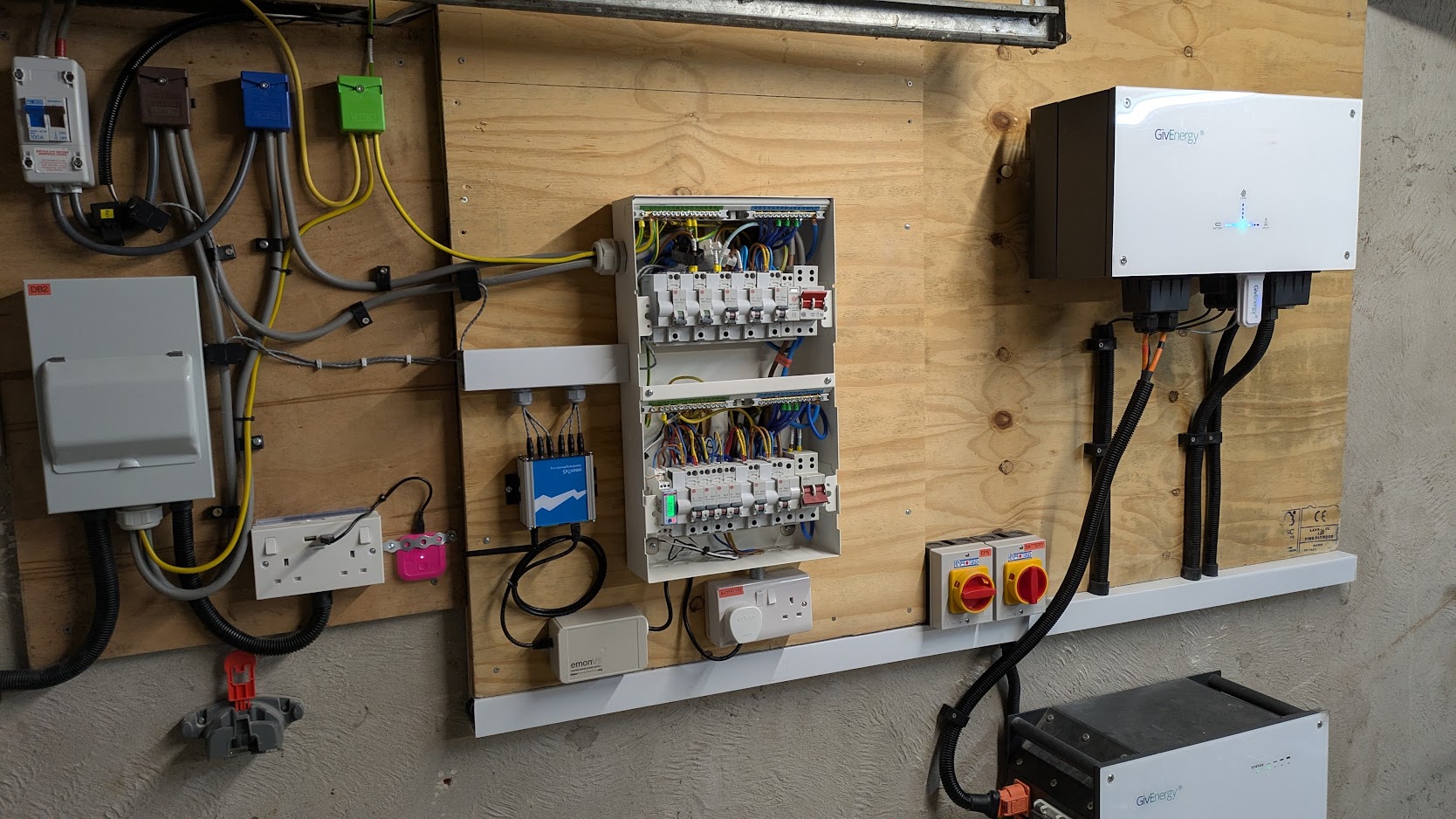

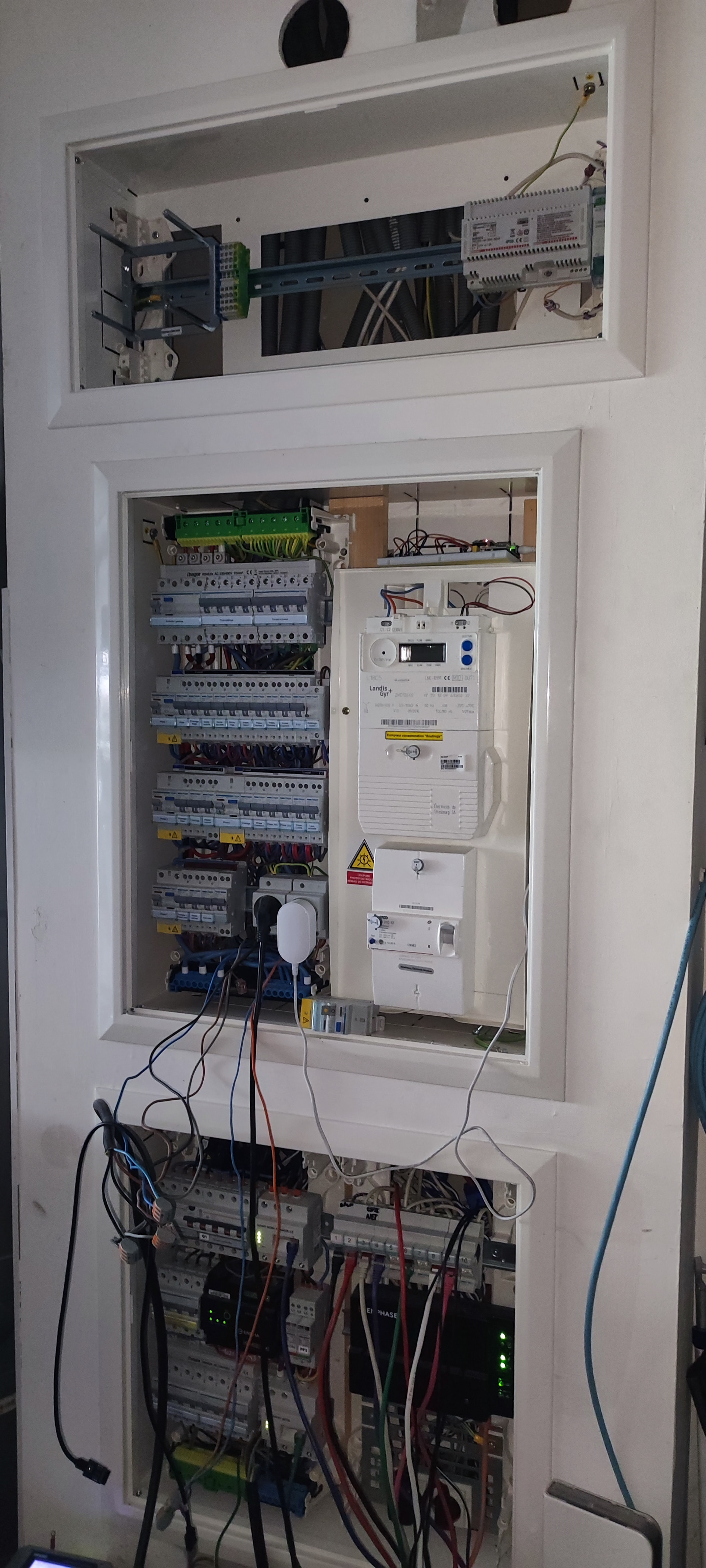
Nice, I love how French and German panels tend to be a lot larger than the tiny fuse boards we often get in the UK
Well, the NF C 15‑100 norm is quite strict. You need a lot of dedicated circuit (washing machine, dryer, oven, induction plate, dishwasher, fridge, heat pump, water heater, may be others).. That’s already a lot.
Then one or more circuits for the lights, typically one circuit per room for the sockets,…
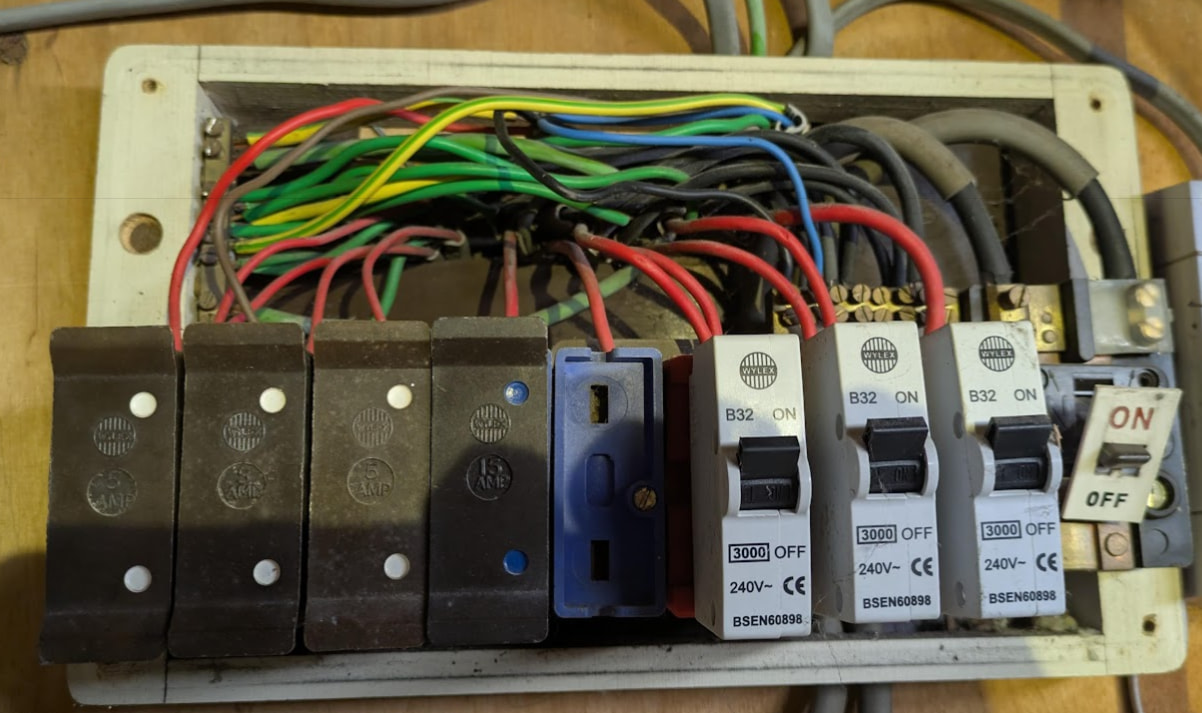
That a much better way of doing things, all the sockets in my whole house are fed from two 32A ring mains. Although radial socket circuits are getting more popular on newer houses, most houses in the UK still use 32A ring mains. Ring mains require less cabling, but are prone to faults which are not easily detected, which can result in overloading. This is the fusebox, which was still in operation until recently, this is for a 4-bed house!
I’m going a bit off-topic now, I’ll move this to a new thread.
Whaooo, that’s very little. Even in my flat before, which has been built around 1972, I had more circuit breakers!
You can still find in France, in old houses/flats, some ceramic fuses are still present, but with the time and the somehow mandatory renovation needed when selling, they’re disappearing slowly but surely.
When renovating an electric box in France, the norm asks for 1-2 sockets in the box (as you see on my picture), it asks for something like 30% free room for future enhancement, different types of differential switches depending on what’s wired to it (type A for induction plates, washing machine, charger for EV, type AC for anything else), see the one on the left, and the other one in the middle.
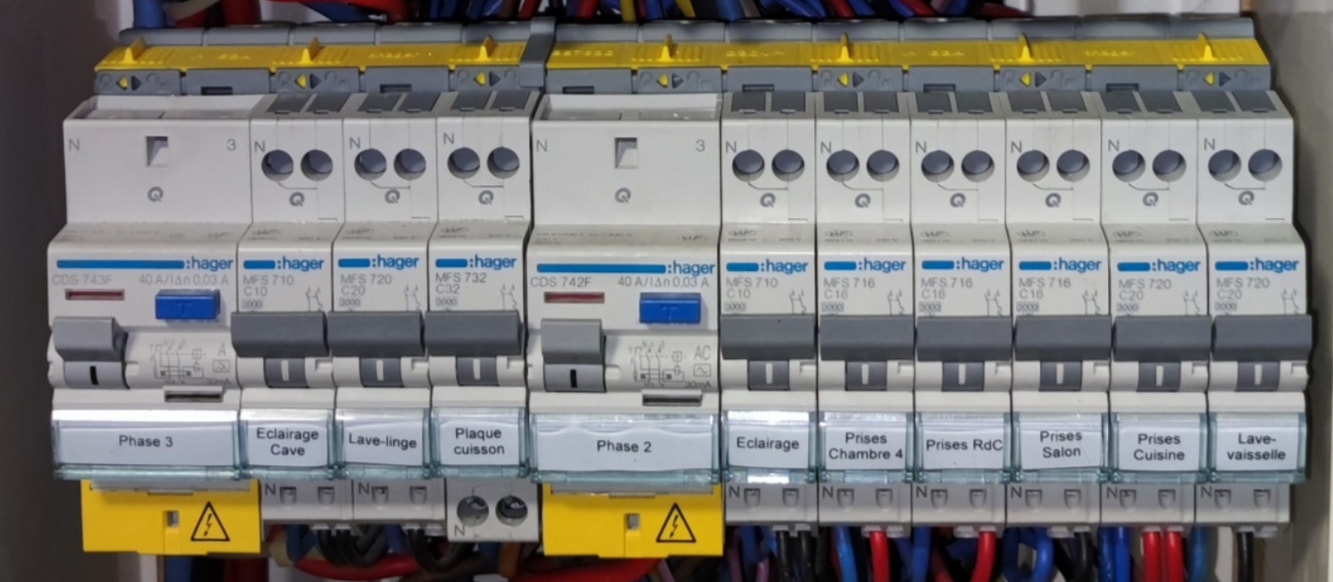
BTW, all these breakers are screwless version, the power rails too… that’s sooooo cool.
Only the main inlets (covered by the yellow covers) are with screw, and also everything for 3-phase and single phase from 32A up (see the one marked “Plaque cuisson”).
Here’s the main differential switch and the circuit breakers for my solar installation and the heat pump:
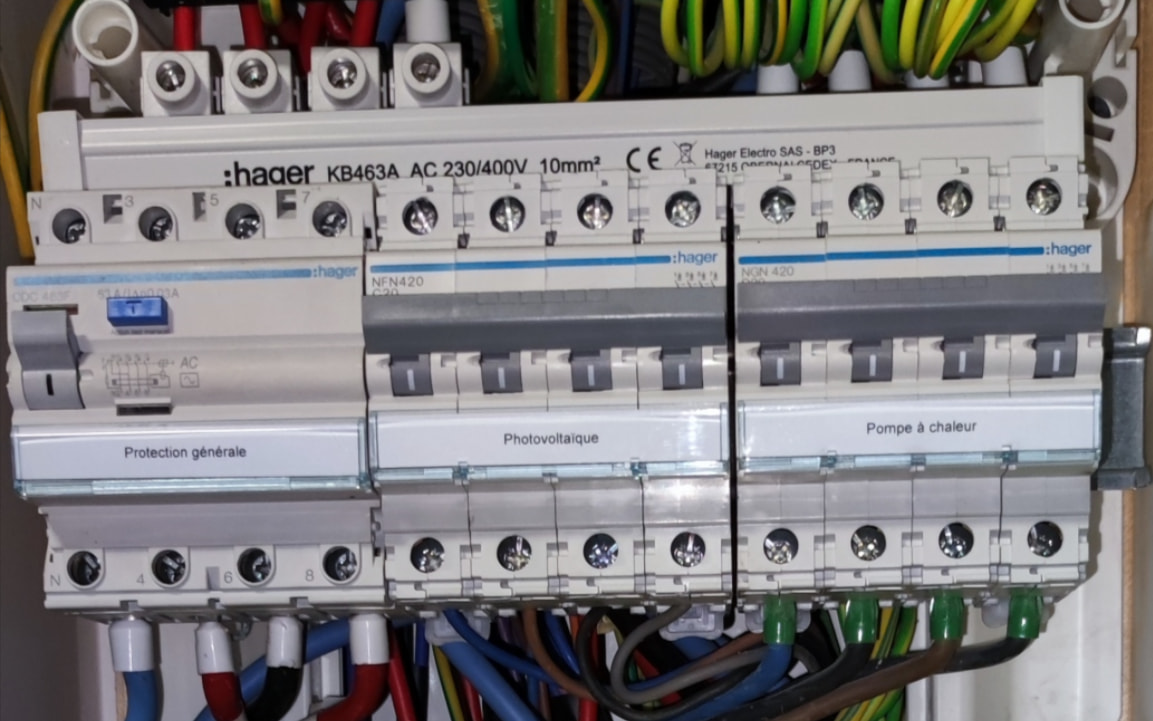
They’re fed with a quadruple power rail (this big KB463A).
Part of the difference is that the circuits are radial rather than ring.
 What do you mean with ring?
That is the colloquial name, officially it is a"final ring sub-circuit". One two-core & earth cable, 2.5 mm², starts at a 32 A circuit breaker in the “consumer unit” (distribution panel) and visits an unlimited number of socket outlets, before returning to the same circuit breaker. Note that the cable is only rated at 21 A, so it depends on the current sharing the two parallel paths to any outlet. The overall restriction is the total area served does not exceed 100 m².
Every plug contains a fuse, of maximum rating 13 A. Fuse ratings generally available are 1,2,3,5,10 & 13 A.
Wikipedia diagram: https://upload.wikimedia.org/wikipedia/commons/thumb/7/79/Ring_circuit.svg/960px-Ring_circuit.svg.png
As far as I know, this does not exist in FR nor DE.
Except in very specific cases, sockets do not have a fuse in FR/DE.
That’s my understanding, and include most of the rest of the world too, with the possible exception of some Commonwealth countries and a few others (see the Wikipedia article).
Note it is the Plug that has a fuse in the UK, not the socket.
And of course the fuse in the plug is there to protect the flexible cord, which might be as small as 0.5 mm² (3 A).
Very interesting Robert, Thx for the link.
That’s really cool, I’ve never seen screwless breakers over here. I also love the double bus bar.
Some here, although Type-AC RCDs is mostly banned these days for new installations unless it’s only for resistive loads. Heat pumps and some PV inverters require Type-B
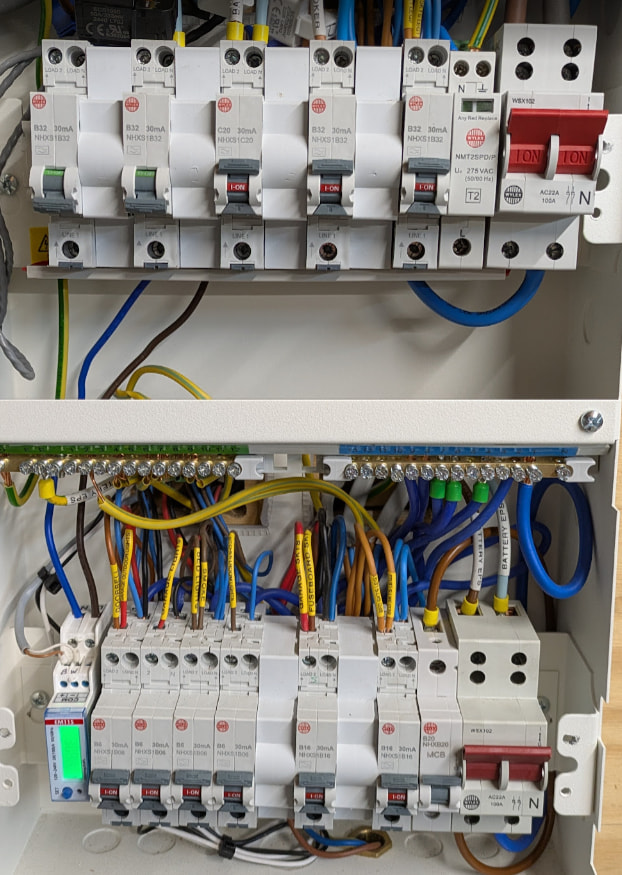
One thing I do like about UK wiring is RCBOs (combined MCB + RCD) are now standard for new installations. It’s very nice for each circuit to have its own RCD rather than sharing one RCD between many circuits. All the breakers in my new box are RCBOs, note the little ‘T’ test button at the bottom of each breaker. We also have to fit SPDs (surge protection devices).
It’s not a double bus bar, that’s a regular neutral hidden behind the phase bar. The yellow part has to be moved left or right, I don’t remember, to lock it.
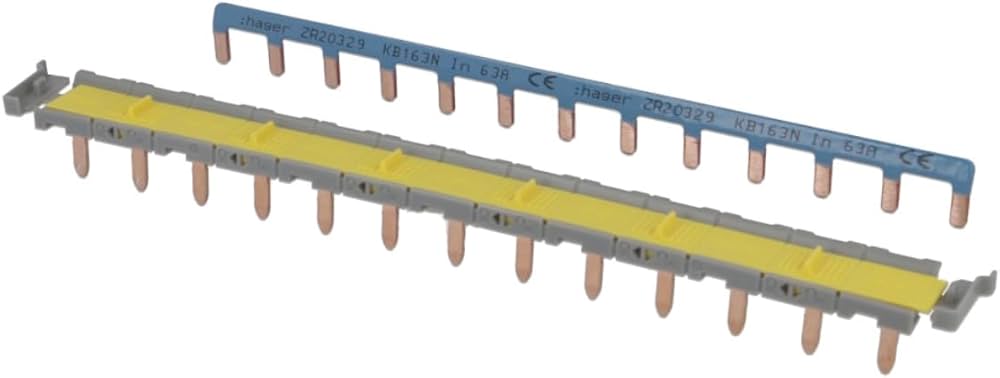
In France, and I think Germany too, the power rail is always from the top.
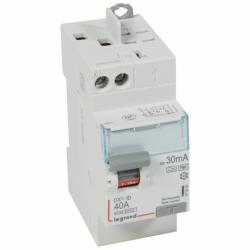
For the 30mA, they are powered mostly from the bottom but some brand like Legrand are powered from the top. There’s a separator between the left half for power in and the right half for power out. I personally don’t like it.

Circuit breakers are from type C, only for the heat pump, I’ve a type D.