Our Ecodan R32 is installed side-on to our house with the flow and return connections on the far end of the unit.
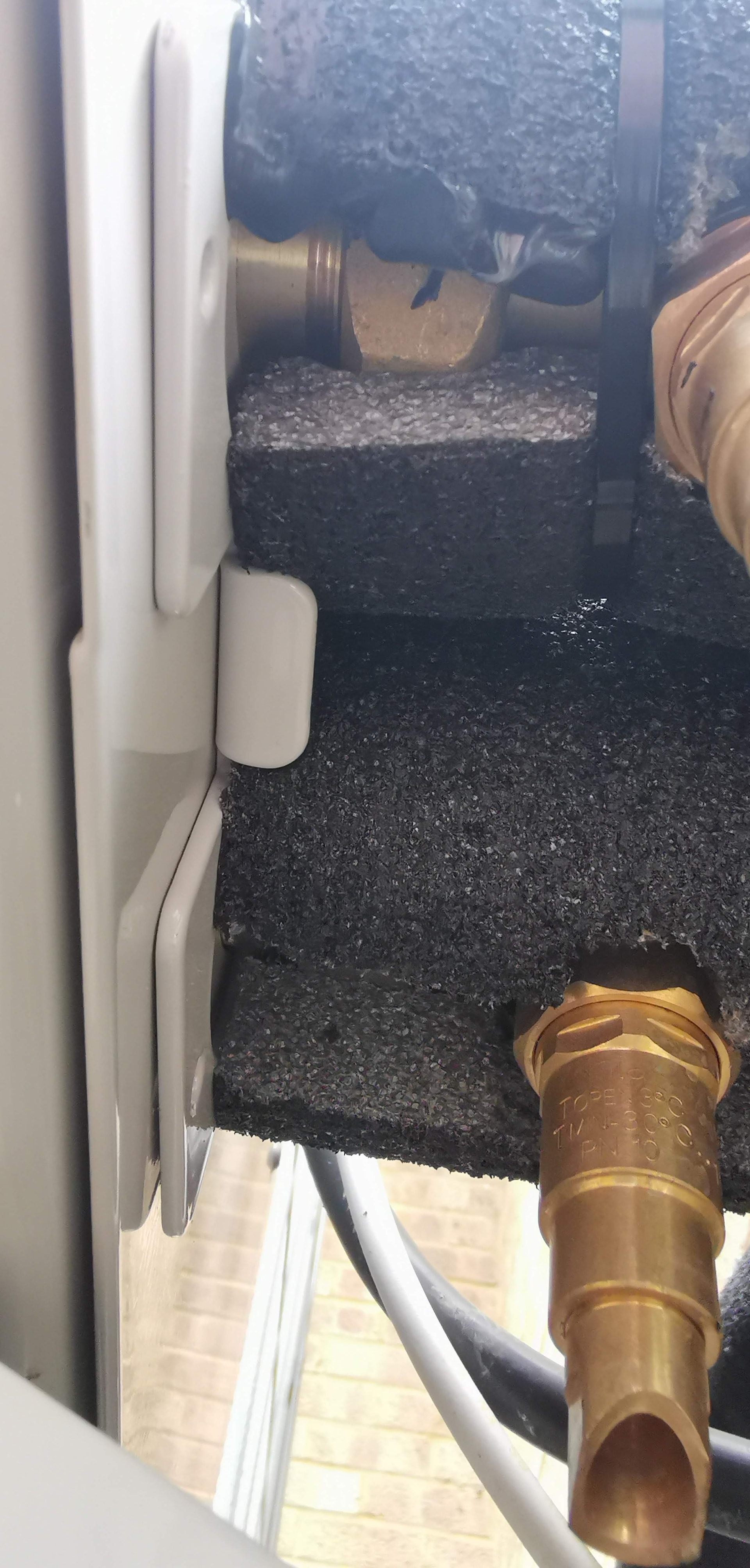
So the pipe currently leaves the heat pump using some insulated (badly) flexible hoses, then to copper pipe running the length of the unit on the wall behind before turning 90 degrees to run along side the unit, on the front wall of the house, before going into the house. This is insulated with some sort of Aramflex but just cable tied. On this pipework there are anti freeze valves and a connection set that I assume is for flushing. And a couple of isolator. All exposed.
The pipe then runs for a good 5 meters internally within an unheated basement. This part of the pipe has standard pipe insulation broken up by plastic pipe clips to the underside of ceiling joists.
I am unhappy with the amount of heat that must be being wasted by the current setup but am not confident in my abilities and patience in doing a proper job of insulating this. And there is a lot of it.
I was wondering if there was any pre-insulated pipe that could be a good option for this. It would have to be thick enough for the cool cellar and cold outside as well as being designed to withstand the UV, rain and freezing conditions outside.
I can see plenty of options for pre insulated pipe designed to be run within the ground but I don’t know how practical this would be replacing the current pipe run.
Any suggestions or examples of good work for pipe runs this long in cold spaces?
Also Primary Pro is around 20mm. I was wondering for my length of pipe outside and in the cold cellar whether it would be better to have something thicker.
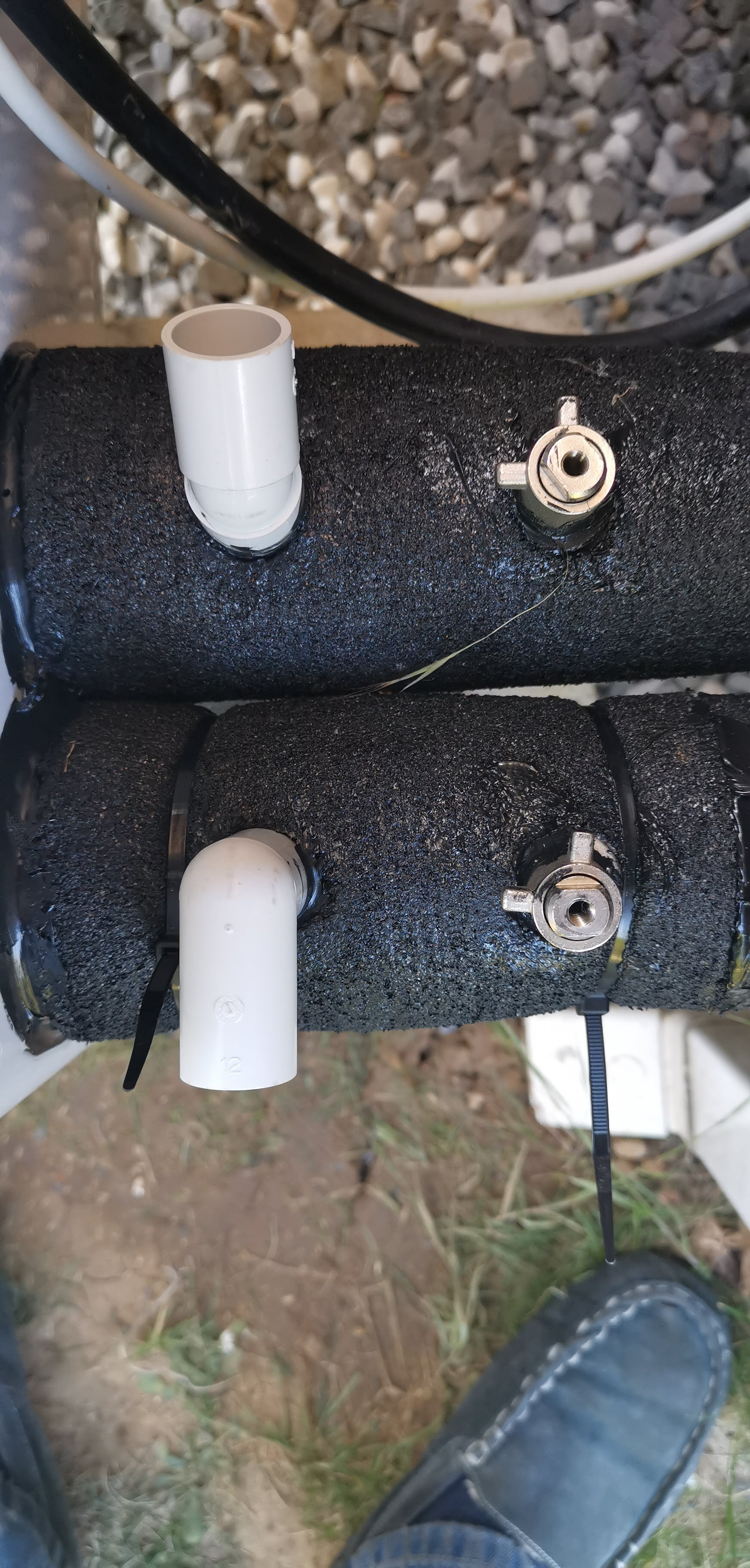
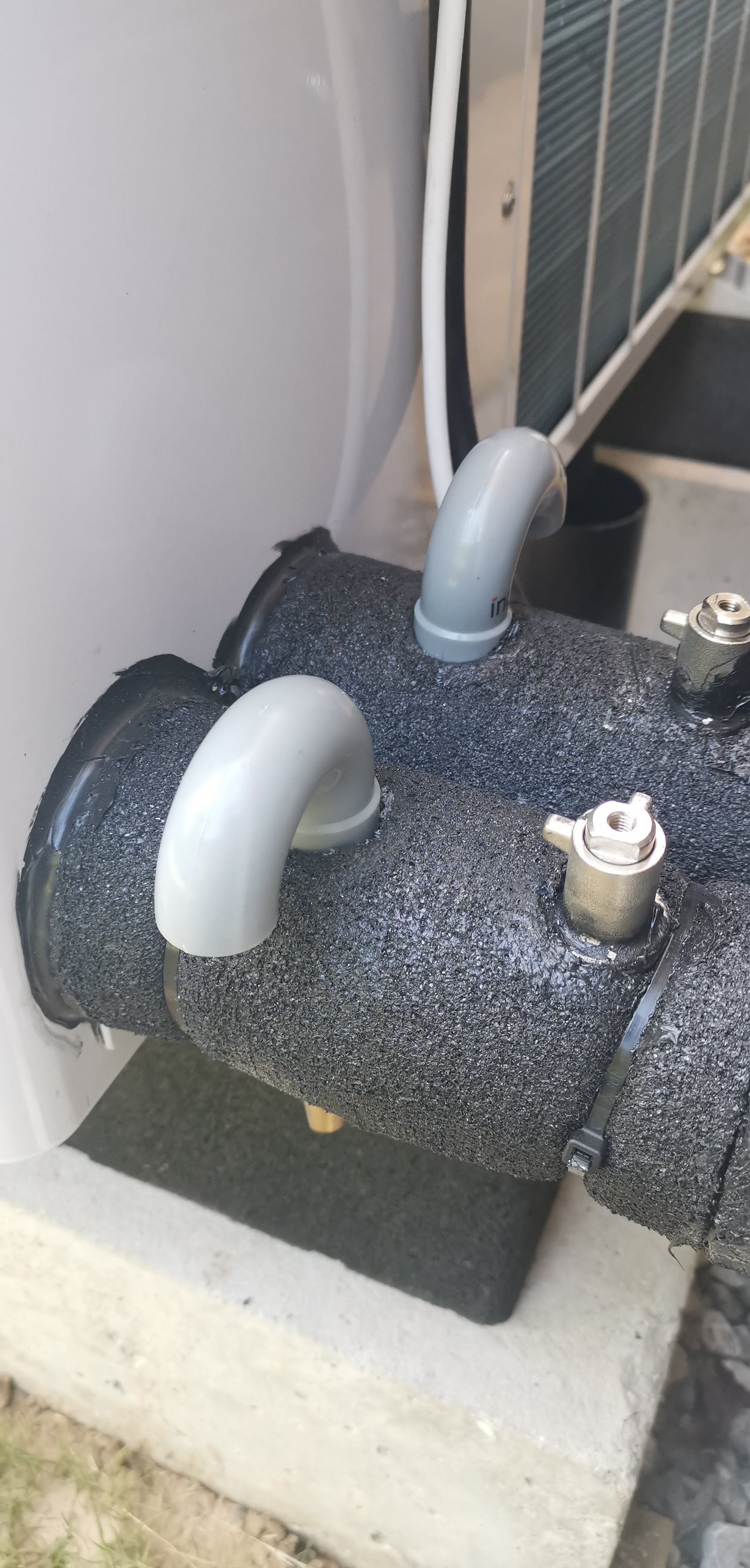
I was not happy with the quality of the outdoor insulation for my heat pump install, and recently replaced it whilst relocating the heat pump (following the removal of the 1m boundary restriction).
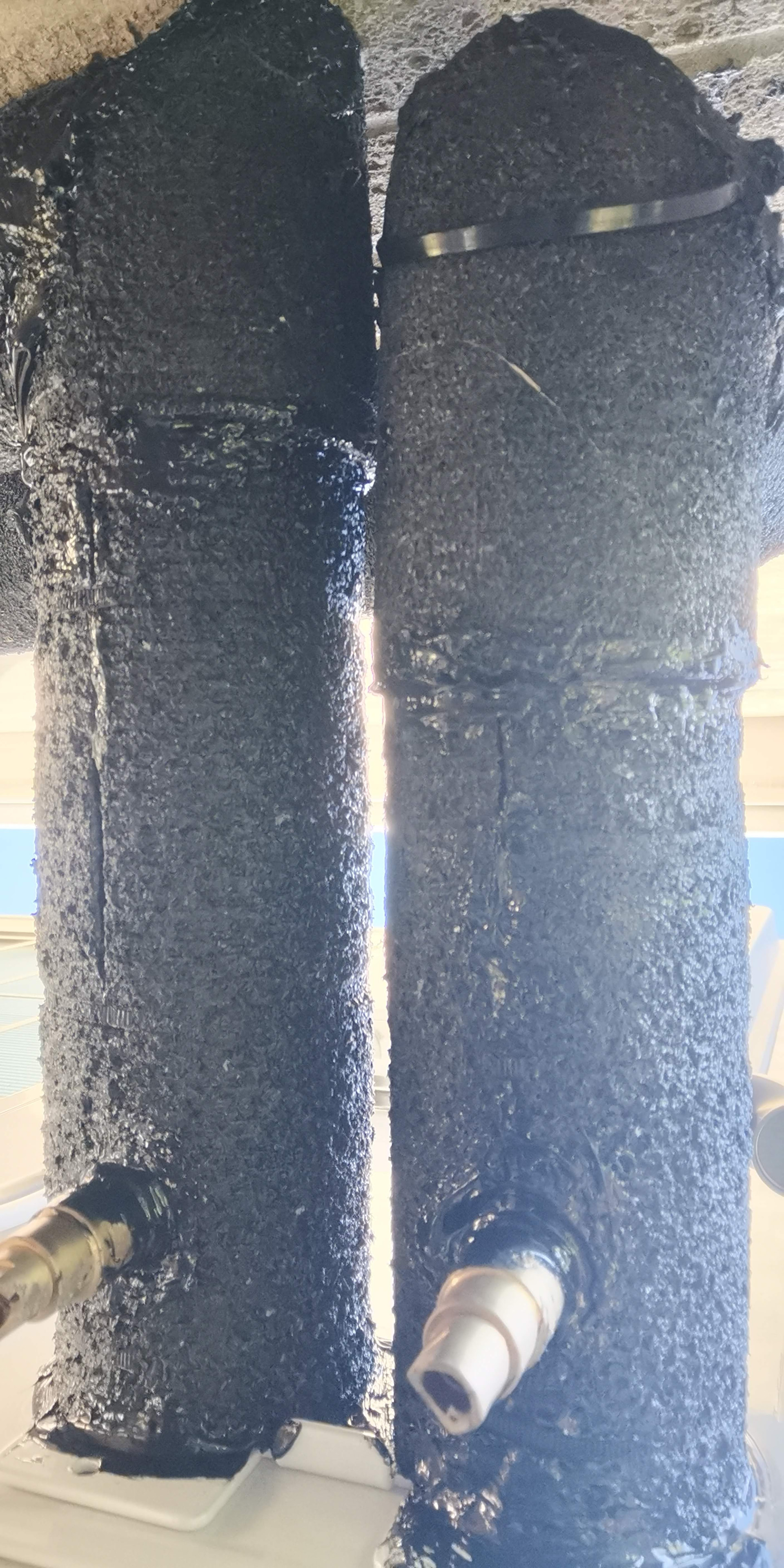
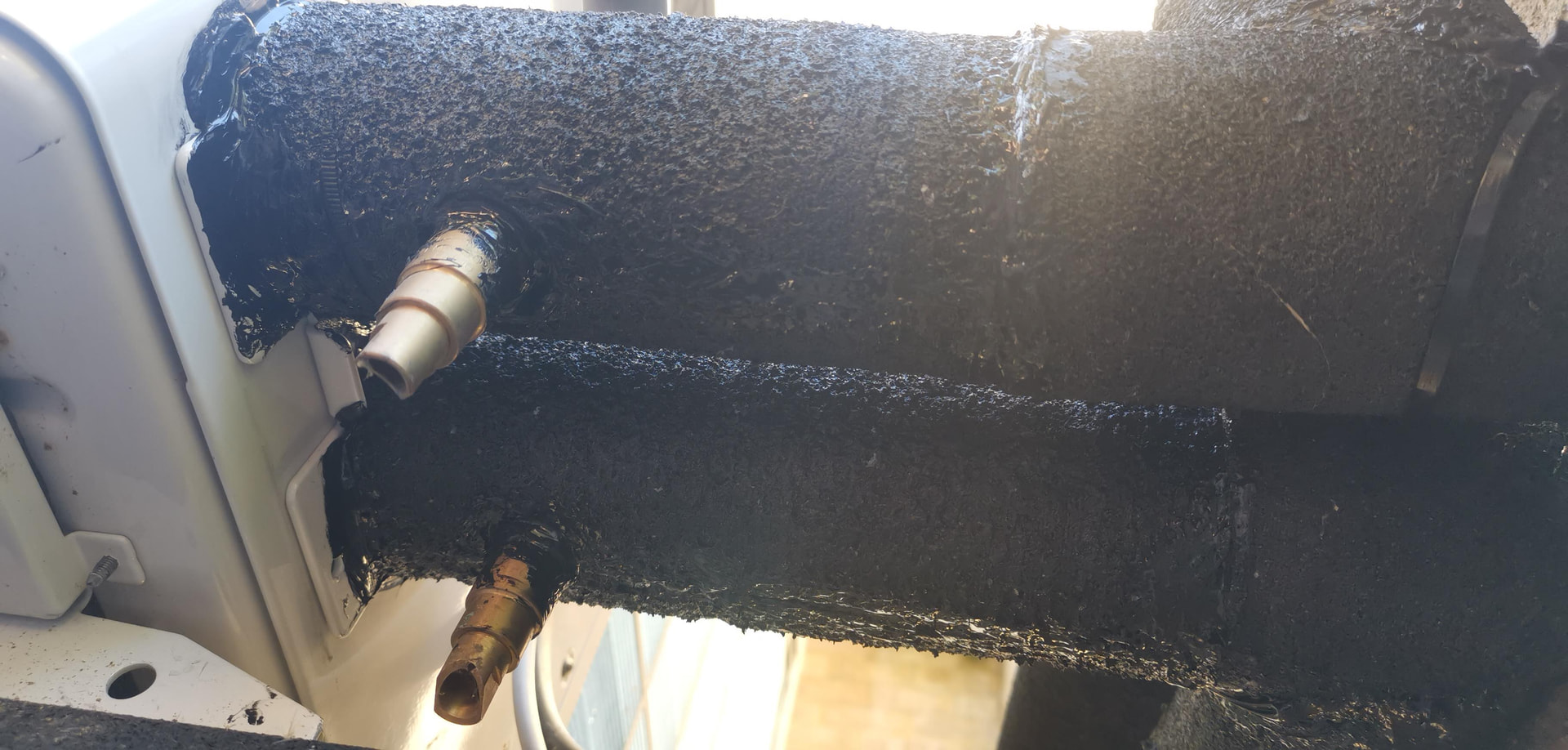
I used Primary Pro and can attest that it is fairly simple to fit, and they do sections to fit and seal around valves etc. As others have said, the importance of a watertight seal cannot be overstated for exposed pipework. If you have water ingress, it will soak away far more heat than just exposure and heat loss to surrounding air as would be the case indoors.
My installer used Primary Pro, but made a complete mess the first time, looked nice from the top, but look underneath and there were gaps everywhere, that was installed by the two apprentices. They then sent someone else to redo it, and some other remedial work. Unfortunately it wasn’t much better.
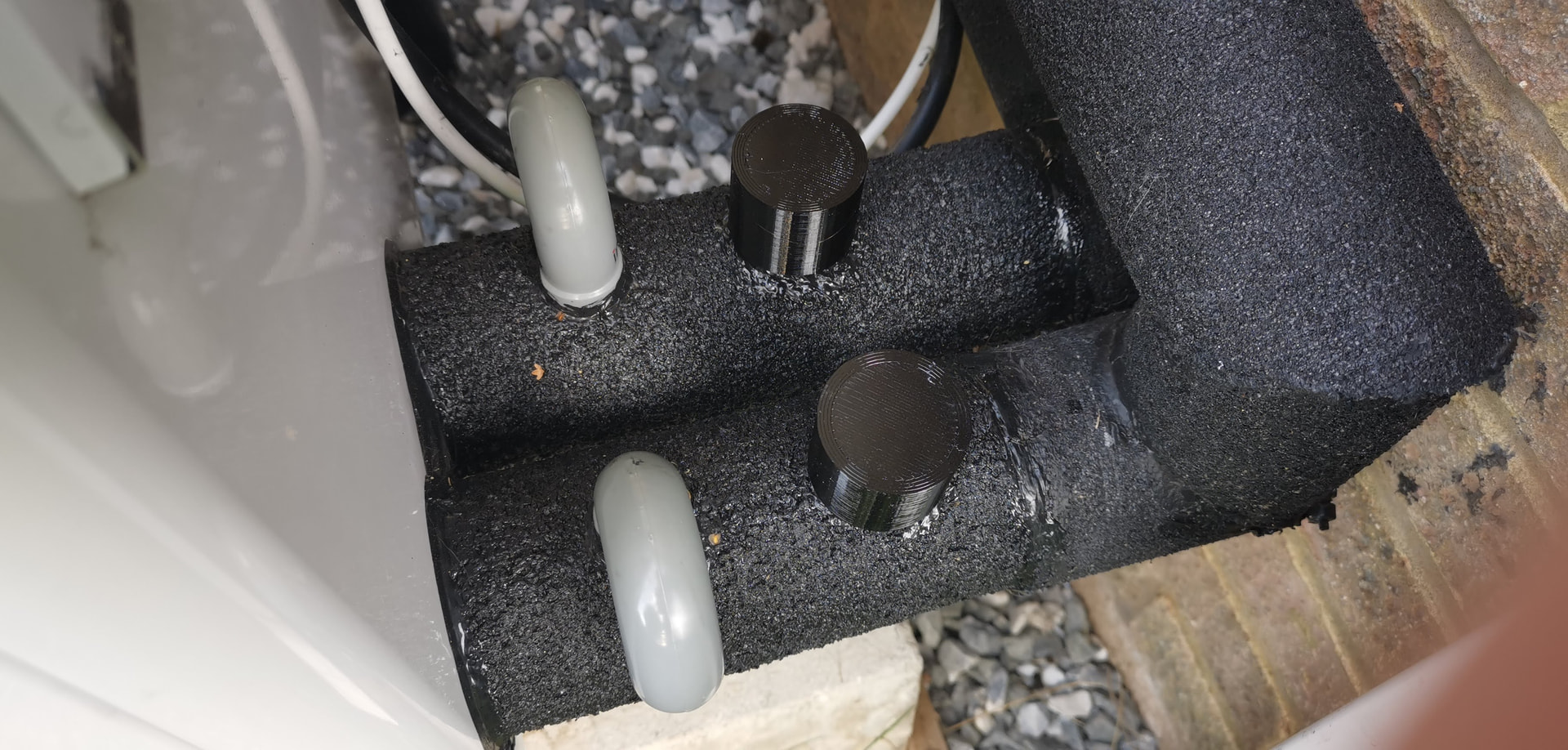
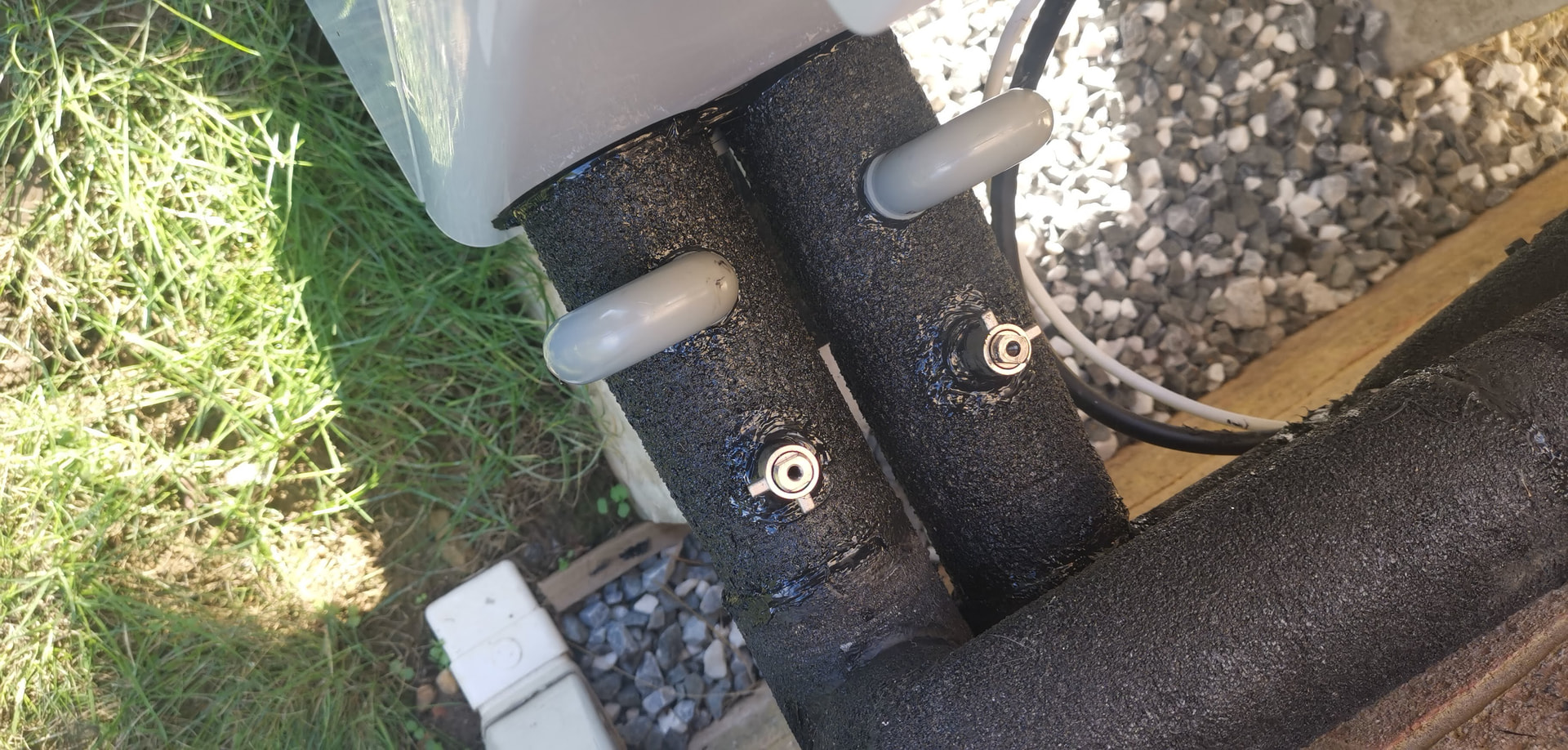
I redid a lot of it, including the internal runs, and fitted the correct breathers, also 3D printed caps for the lever turrets. For the antifreeze valves I had to use a hole saw to cut away some of the insulation to go over the much larger fittings on the back of the heat pump, otherwise the installation didn’t close up. Primary Pro have a series of videos on YouTube.
Get all your insulation fitted, prior to sealing with the mastic, it’s messy stuff. Once it’s all set remove the cable ties.